
Our
Heritage
The Nok Legacy
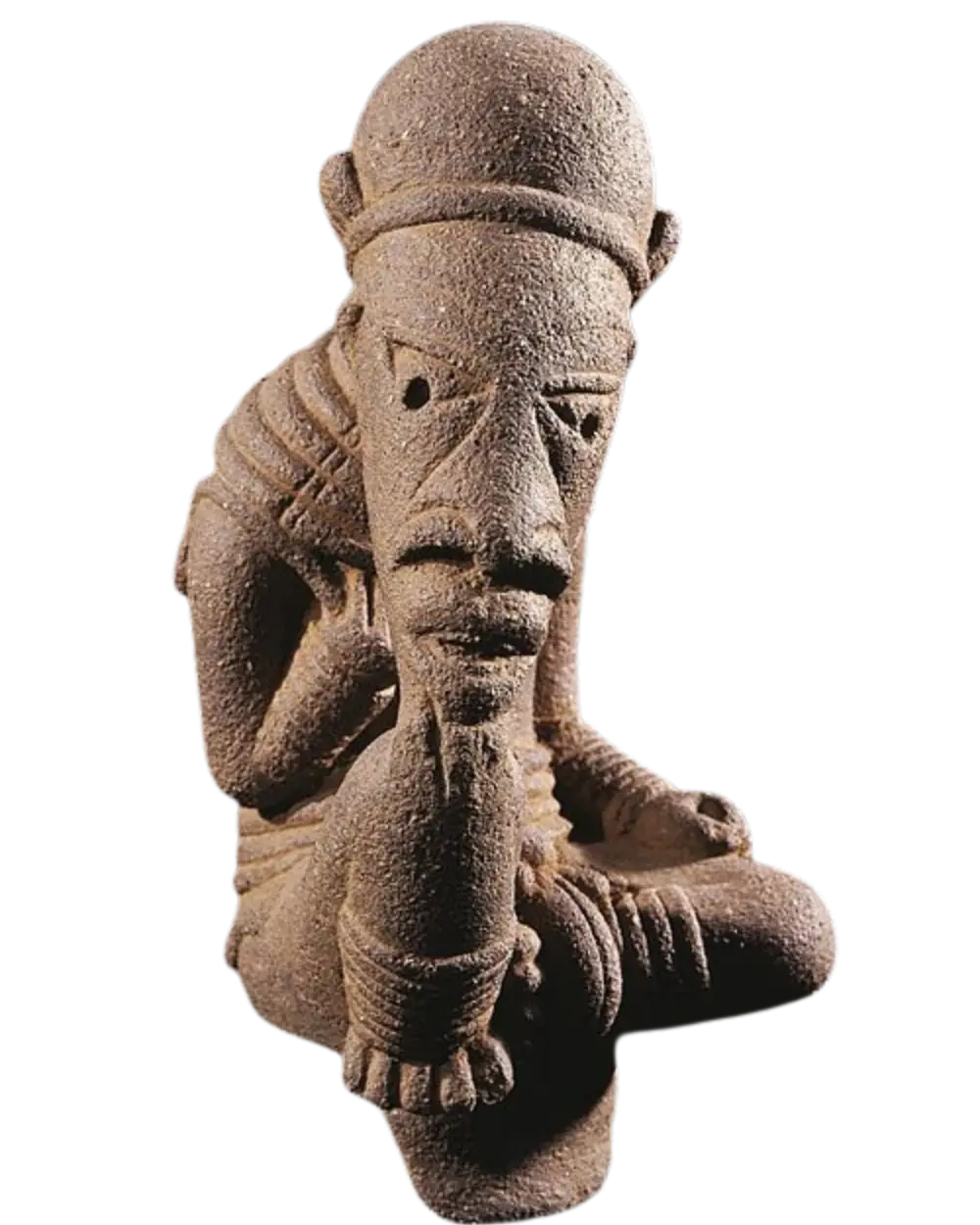
The story of the Ham people is deeply connected to the ancient Nok Civilization — one of the earliest known complex societies in West Africa. Flourishing between approximately 1500 BCE and 500 CE in what is now Southern Kaduna, the Nok people established thriving agricultural communities, developed advanced iron technology, and produced some of Africa’s most celebrated ancient artworks.
The civilization takes its name from the village of Nok, where terracotta sculptures were first uncovered during tin mining in 1928. Archaeological discoveries across Southern Kaduna — including areas around Kwoi — reveal that Nok was not a small settlement, but part of an expansive, interconnected cultural landscape.
Source: Wheyham / YouTube
Terracotta Mastery
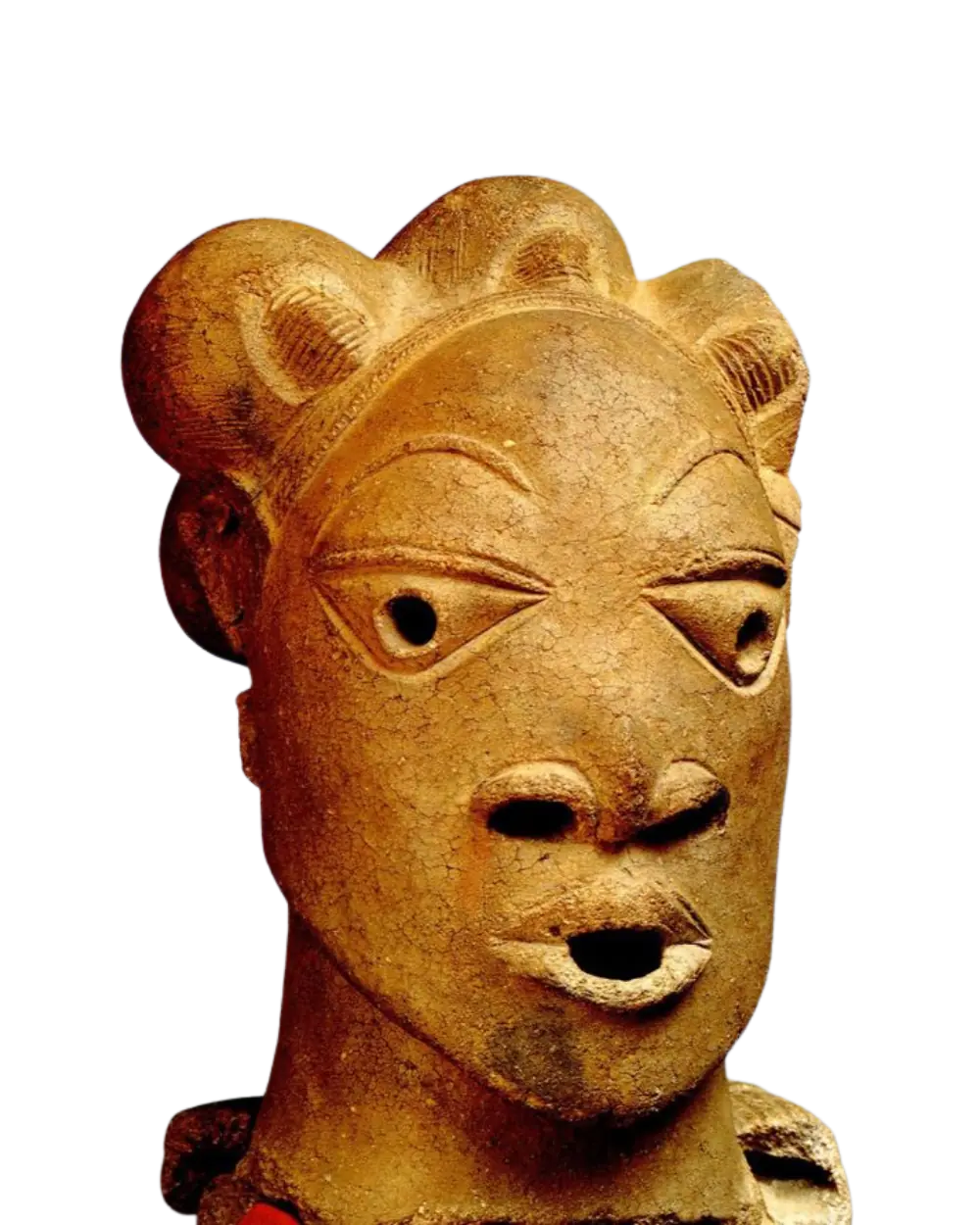
Nok terracotta sculptures are instantly recognizable for their triangular or oval-shaped pierced eyes, elaborate hairstyles, and carefully detailed ornaments. Human and animal figures were crafted with remarkable technical precision and expressive form.
While the exact purpose of these sculptures remains a subject of scholarly research, many experts believe they carried social, symbolic, or ceremonial meaning. What is certain is this: the artistic excellence of the Nok people places Southern Kaduna among the great early centers of human creativity.
Pioneers of Iron
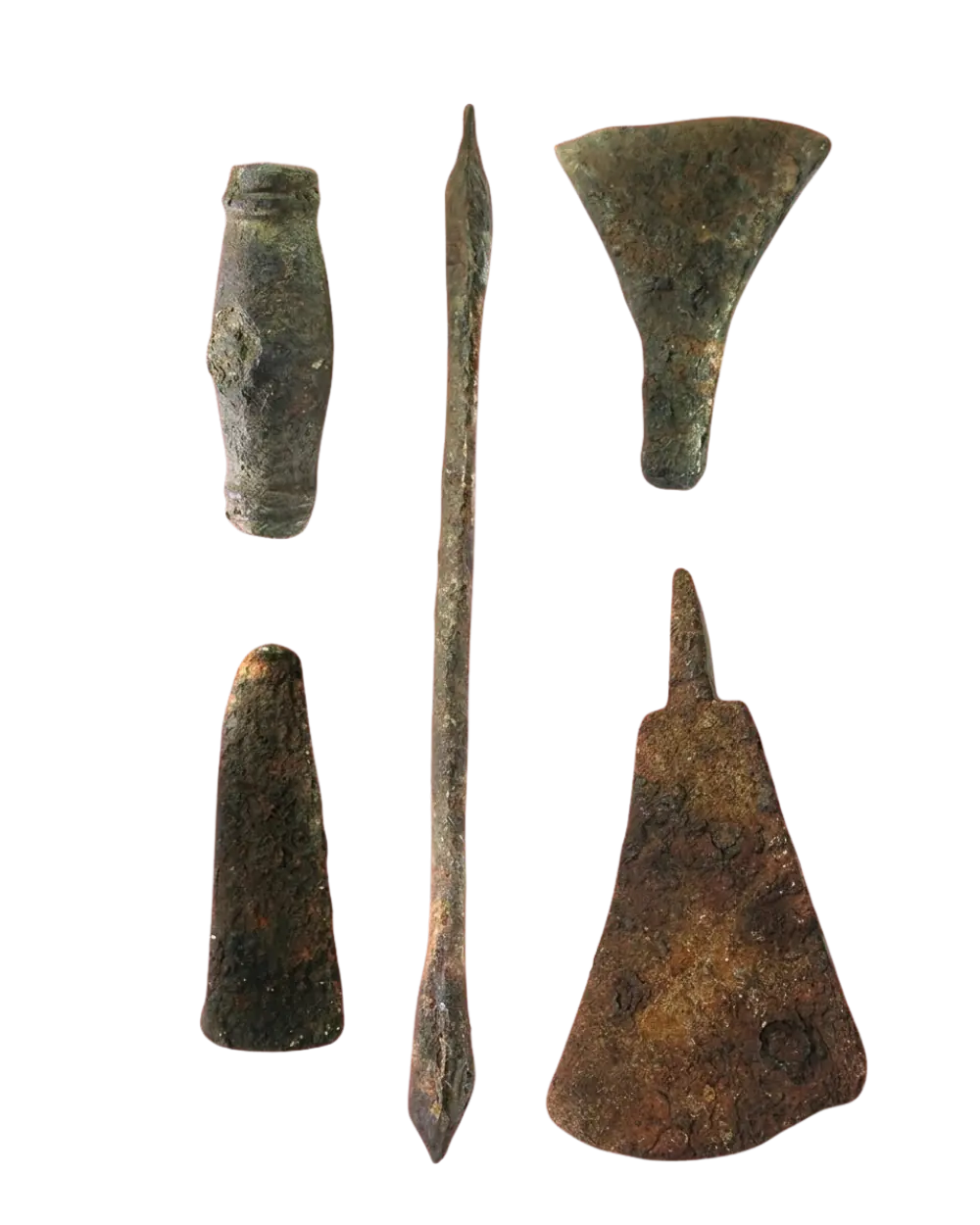
Archaeological evidence from sites such as Taruga demonstrates that Nok communities were practicing iron smelting as early as the first millennium BCE. Furnaces and iron tools discovered in the region reveal advanced technical knowledge and organized production.
Remarkably, Nok societies appear to have transitioned directly from stone technology to iron, without passing through a Bronze Age — a rare developmental pathway in world history. This innovation supported farming, settlement growth, and long-term stability.
The Ham People & Hyam Language
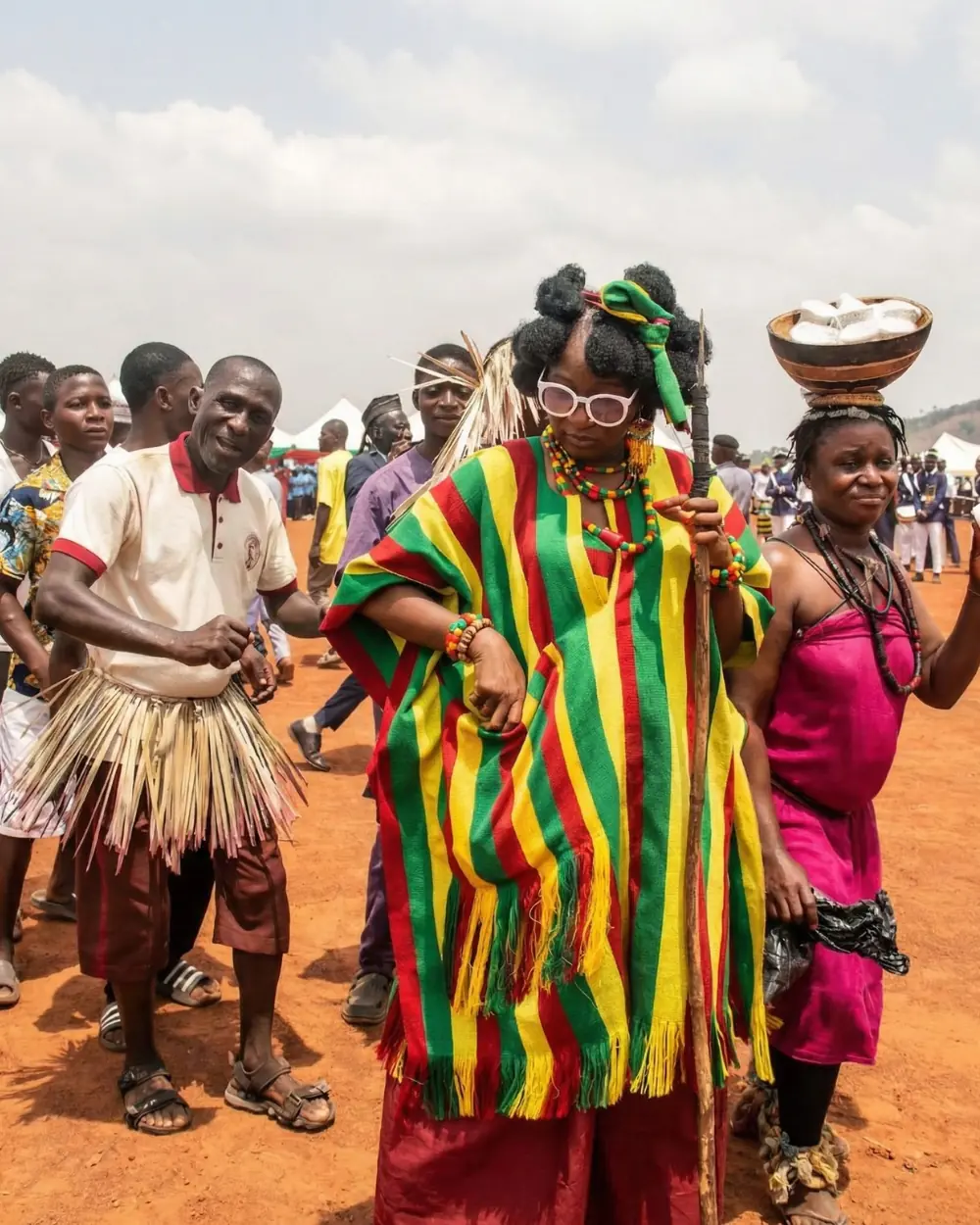
Today, the Ham people — speakers of the Hyam language — continue to inhabit the land long associated with Nok civilization. While historians continue to study the precise historical links between ancient Nok communities and later societies, the cultural geography of Southern Kaduna remains deeply interconnected.
The Tuk-Ham Festival stands as a modern celebration of this enduring heritage — uniting history, language, royalty, and community into one living expression of identity.
Swallows, Soups & Pottages
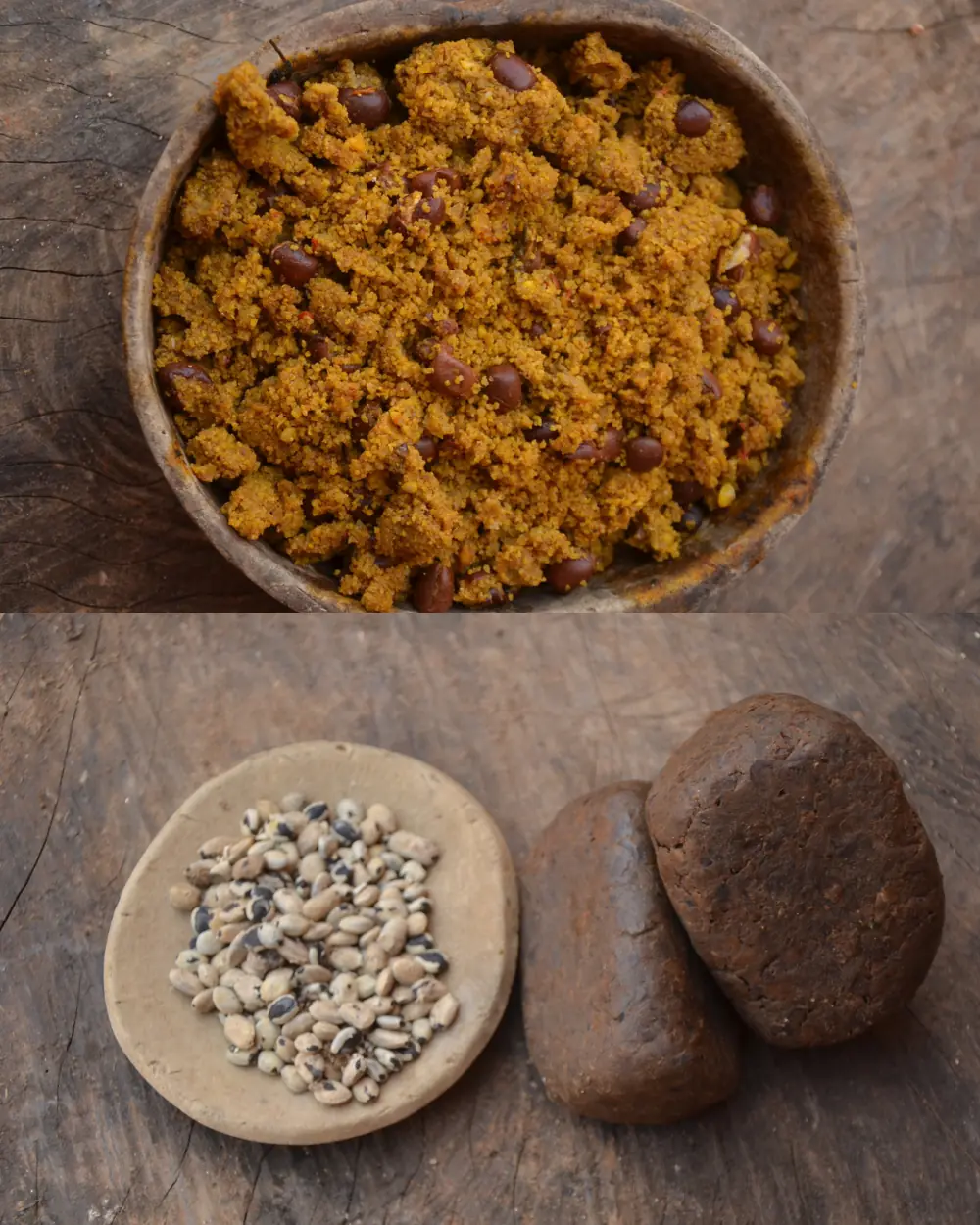
Farming is at the heart of Ham culture, and their everyday meals reflect this deep connection to the land. Grains are the star of the dining table, usually prepared as hearty, energy-boosting swallows like Tuwo Dawa (made from sorghum) and the highly nutritious Acha Tuwo (fonio).
These swallows are perfectly paired with native soups like Miyan Kuka (baobab leaf soup), rich okra soup, or earthy sesame leaf soup. For a comforting snack or a side to dip in your soup, golden pan-fried Masa (fermented rice or maize cakes) is a local favorite. Hearty one-pot meals are also a major part of the cuisine. Dishes like Fate (a rich Acha pottage) and protein-packed meals like Guz Guz or Njab ban bar—made from native "home beans"—show just how resourceful and flavorful Ham cooking truly is.

Spiced Meats & Native Brews
In Hamland, preparing and preserving meat is an art. Sun-dried Kilishi and fire-grilled Suya are beloved snacks, seasoned with a spicy rub made from world-class, locally grown ginger (chitta). You will also find smoked bush meat frequently used to add a deep, rich flavor to traditional soups and meals.
To balance out the spicy food, locals enjoy a variety of deeply refreshing traditional drinks. Fura da Nono is a creamy favorite made by blending spiced, fermented millet dough with fresh local milk. You can also relax with comforting, grain-based drinks like Kunu Zaki or a cold glass of ruby-red Zobo. Both are brewed generously with fresh cloves and Ham ginger, offering the perfect finish to any meal.
The Kpop Ham
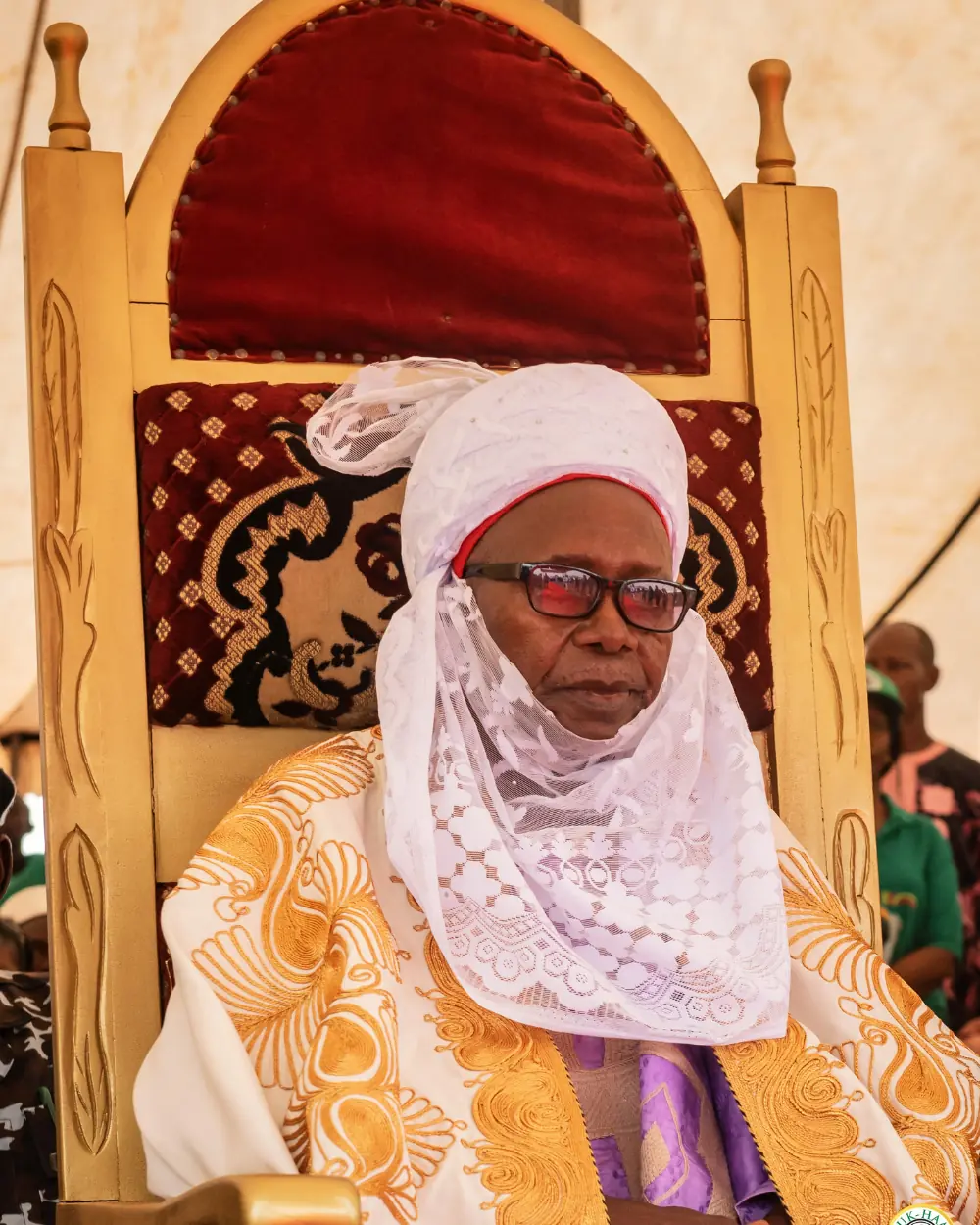
The Kpop Ham is the traditional ruler and custodian of Ham culture. The palace in Kwoi symbolizes unity, continuity, and ancestral authority. Through generations, the royal stool has safeguarded customs, governance traditions, and communal values.
During Tuk-Ham, the Royal Durbar becomes a powerful display of heritage — where tradition, ceremony, and modern celebration meet in honor of a people whose history stretches back millennia.